


Imbolc — When Winter Begins to Fade
Share
When winter still holds the land in its grip, but the days are quietly growing longer, Imbolc arrives — a festival of gentle light and inner awakening. Celebrated at the beginning of February, Imbolc marks a subtle turning point, when darkness has not yet left, but its dominance begins to weaken.
Imbolc is not a loud celebration. It is a pause between seasons. The earth is still resting, yet life beneath the surface is already stirring. For this reason, the festival has always been closely tied to fire, home, and care — care for oneself, for loved ones, and for what is yet to come.
In Celtic tradition, Imbolc is associated with Brigid, a goddess of fire, craft, poetry, and healing. Her presence is not fierce or demanding, but steady and warm, like a hearth fire that protects and sustains. She represents light that does not overwhelm, but guides, and strength that grows through patience rather than force.
Historically, Imbolc had very practical roots. It was a time to check winter supplies, tend to livestock, and prepare the household for the final stretch of cold. In many regions, this period marked the beginning of ewes’ lactation, making milk one of the earliest signs of returning life. The festival’s name is often linked to ideas of cleansing and nourishment — both physical and symbolic.
Yet beyond daily survival, Imbolc carried a deeper, inward meaning. It was a time of purification. Homes were cleaned, broken items repaired or discarded, and space was made for renewal. Fire played a central role: candles were lit, hearths were tended, and people spent quiet moments reflecting on what should be left behind and what deserved to grow in the coming cycle.
In the modern world, Imbolc still carries this atmosphere of calm intention. Many observe it in simple ways — lighting a candle in the evening, preparing a warm drink, or creating a small altar with natural materials, handcrafted objects, or personal talismans. It is a moment to slow down and listen, rather than to perform.
Imbolc does not demand strict rituals or belief systems. It is about awareness. About recognizing the quiet return of light and choosing to protect it. It honours craft, hands that create, and symbols that hold meaning beyond decoration.
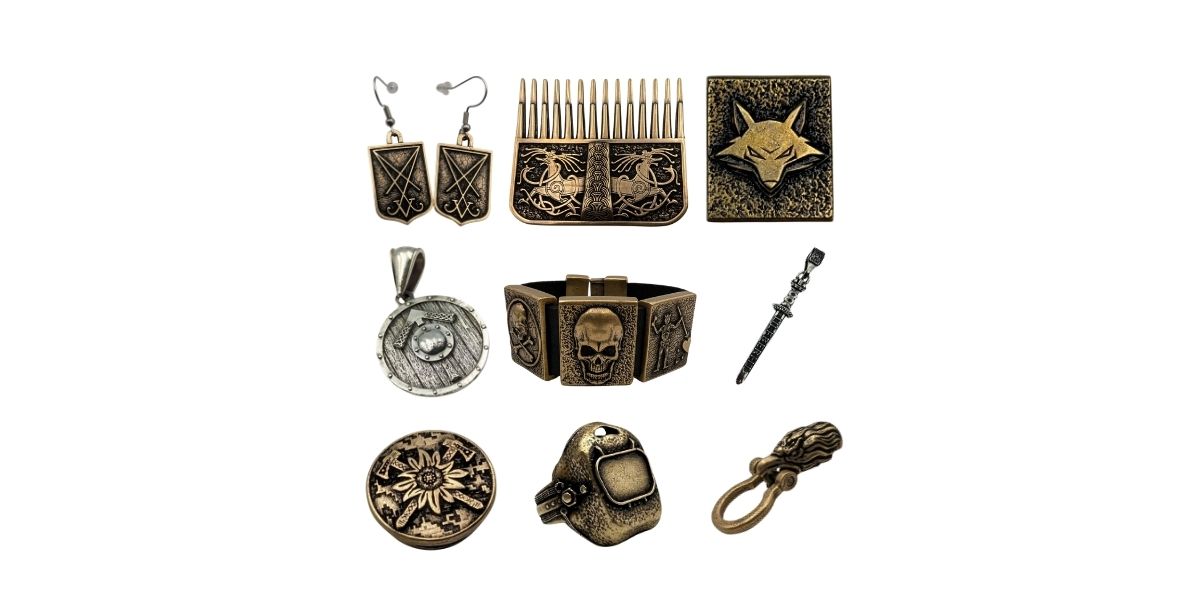
This is why, during Imbolc, many people feel drawn to symbolic jewellery and talismans — pieces marked with signs of fire, the sun, spirals, or circles. Metals such as bronze resonate especially well with this season: warm in tone, durable, and traditionally linked to the sun and skilled craftsmanship. These objects are not meant to shout, but to accompany — subtle reminders carried through the darker months.
Imbolc reminds us that not all beginnings are dramatic. Some arrive softly, as a small warmth within. And sometimes, that is more than enough for winter to begin its retreat.
In the heart of the dark season, having a symbol of light — in your home or worn close to you — can be a powerful gesture. Whether it is a simple candle, a handmade amulet, or a piece of meaningful jewellery, Imbolc invites us to keep that light alive, with care and intention.